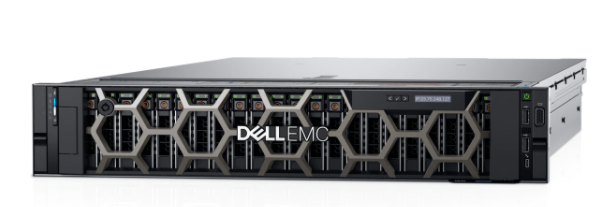
Rack Servers
Innovative designs to transform IT
Choose from 1-, 2-, and 4-socket rack servers that deliver high-core density for your traditional
applications, virtualization, and cloud-native workloads.

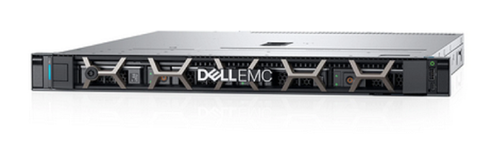
1-Socket (Supports 1 Processor)
One socket server portfolio providing balanced performance and storage capacity for future growth.
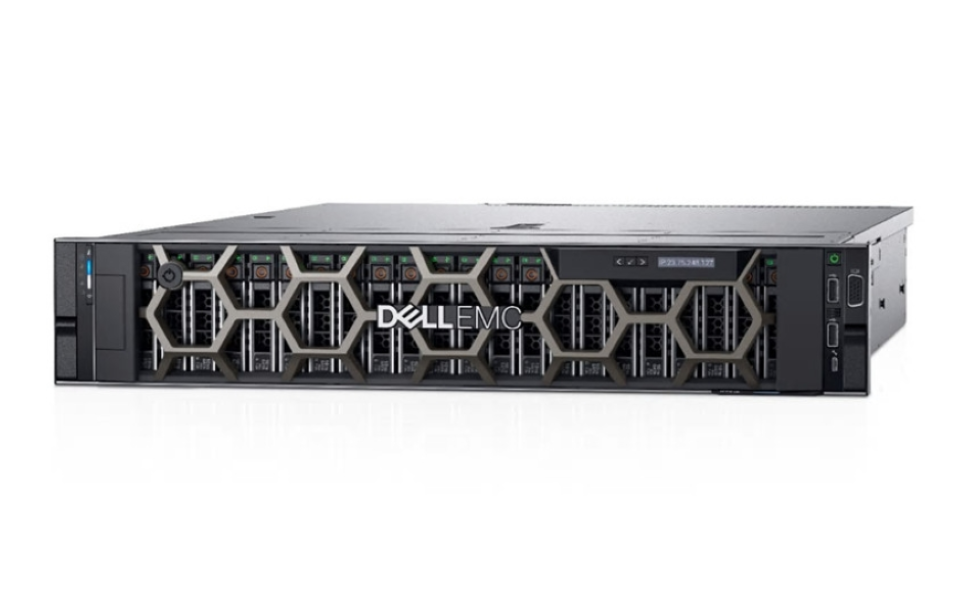
2-Socket (Supports up to 2 Processors)
Two socket server portfolio with a mix of features to maximize performance, scale to meet future demands and adapt to virtually any workload
4-Socket (Supports up to 4 Processors)
Four socket server portfolio with the highest performance and extensive scalability for your applications from in-database workloads and HPC to data analytics, AI and GPU database acceleration.
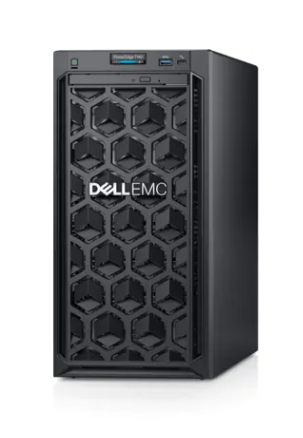
Tower Servers
For value and flexibility
Benefit from power, versatility, and quiet performance that’s ideal for small, large, and remote
offices. Available in sizes ranging from mini-towers to rack-capable platforms.

1-Socket (Supports 1 Processor)
A simple, entry level server ideal for businesses just migrating to server usage.
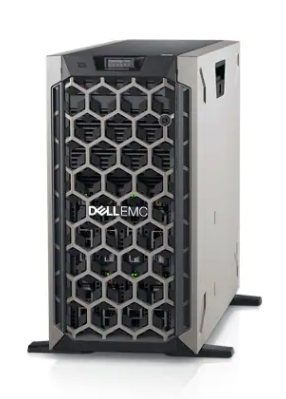
2-Socket (Supports up to 2 Processors)
Offering more cache and speed, these servers offer options for more processors, expansion and virtualization..
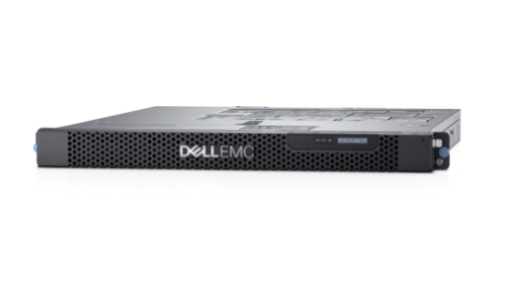
Rugged Servers
Customized solutions for the edge
Bolster your insights at the edge and deliver rugged enterprise performance. These servers are built for extreme environments and also certified for telco and military use.

PowerEdge Rugged Servers
The prolific growth of edge devices has created a demand for servers beyond the traditional data center.
What Is Hyperconverged Infrastructure?
Hyperconverged infrastructure (HCI) is a software-defined, unified system that combines all the elements of a traditional data center: storage, compute, networking and management.
How Does Hyperconverged Infrastructure Work?
Four tightly integrated software components make up a hyperconverged platform:
- Storage virtualization
- Compute virtualization
- Networking virtualization
- Advanced management capabilities including automation
The virtualization software abstracts and pools underlying resources, then dynamically allocates them to applications running in VMs or containers. Configuration is based on policies aligned with the applications, eliminating the need for complicated constructs like LUNs and volumes.